06 Jul 2026 · 4 min read · by Medsail Holidays Team
Flotilla Sailing Explained: Sail Your Own Boat, Cruise Together
Flotilla sailing solves a specific problem: you want the independence of skippering your own boat, but you would rather not navigate an unfamiliar coastline entirely alone, especially with limited experience or a first trip to a new region. The format has been popular in the Mediterranean for decades and remains one of the best ways to build genuine sailing confidence on a real holiday, not a classroom.
How a Flotilla Actually Works
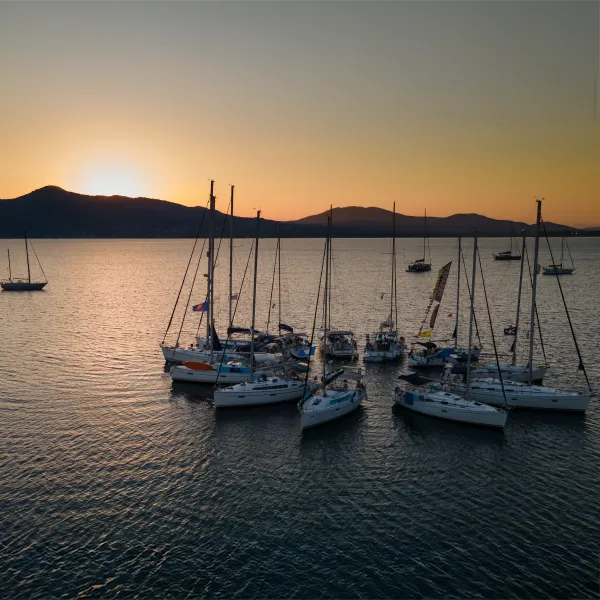
A flotilla is a group of yachts, typically six to twelve boats, sailing the same general route together over one or two weeks. Each yacht is skippered independently by its own guests — you are in charge of your own boat, your own crew, and your own day-to-day decisions on board. Alongside the group travels a lead boat, staffed by a professional lead skipper and often an engineer or host, who plans each day's passage, briefs the fleet each morning on weather and route, and is reachable by radio throughout the day if a boat needs help.
In practice, this means every yacht sails at its own pace. Faster boats or more confident crews might arrive at the day's anchorage first and have time to swim before the rest of the fleet catches up; slower boats simply take their time. In the evening, the fleet typically gathers in the same bay or harbour, and flotilla holidays often include a mix of independent dinners and organised group evenings ashore — a genuine social element that bareboat charter does not offer.
What You Actually Need to Join
Flotilla sailing generally asks for less formal qualification than pure bareboat charter, since the lead crew provides a safety net. Most operators want at least one confident, experienced sailor aboard each yacht — someone comfortable with basic sail handling, anchoring and close-quarters manoeuvring — but a full ICC or equivalent certificate is not always mandatory the way it is for unsupported bareboat.
This makes flotillas a natural next step for sailors who have done some dinghy sailing, crewed on other people's boats, or completed an introductory sailing course, but do not yet feel ready to take full, unsupported responsibility for a yacht and crew in unfamiliar waters.
Flotilla vs Bareboat vs Skippered Charter
- Bareboat: Full independence, your own schedule, no support boat — you need real qualifications and confidence, and you are on your own if something goes wrong.
- Flotilla: You skipper your own boat and set your own pace during the day, but a lead boat plans the route, briefs the fleet, and is on call for help — a genuine middle ground.
- Skippered charter: A professional skipper sails the boat for you — you are a guest, not the captain, with no sailing responsibility at all.
Where Flotilla Sailing Works Well
The Ionian Islands are the classic flotilla ground in Greece — sheltered water, short hops between anchorages, and reliably light-to-moderate summer winds make it forgiving for less experienced skippers. Around Lefkas, Meganissi and Kefalonia, a typical week might link four or five anchorages with plenty of swimming time built into each day.
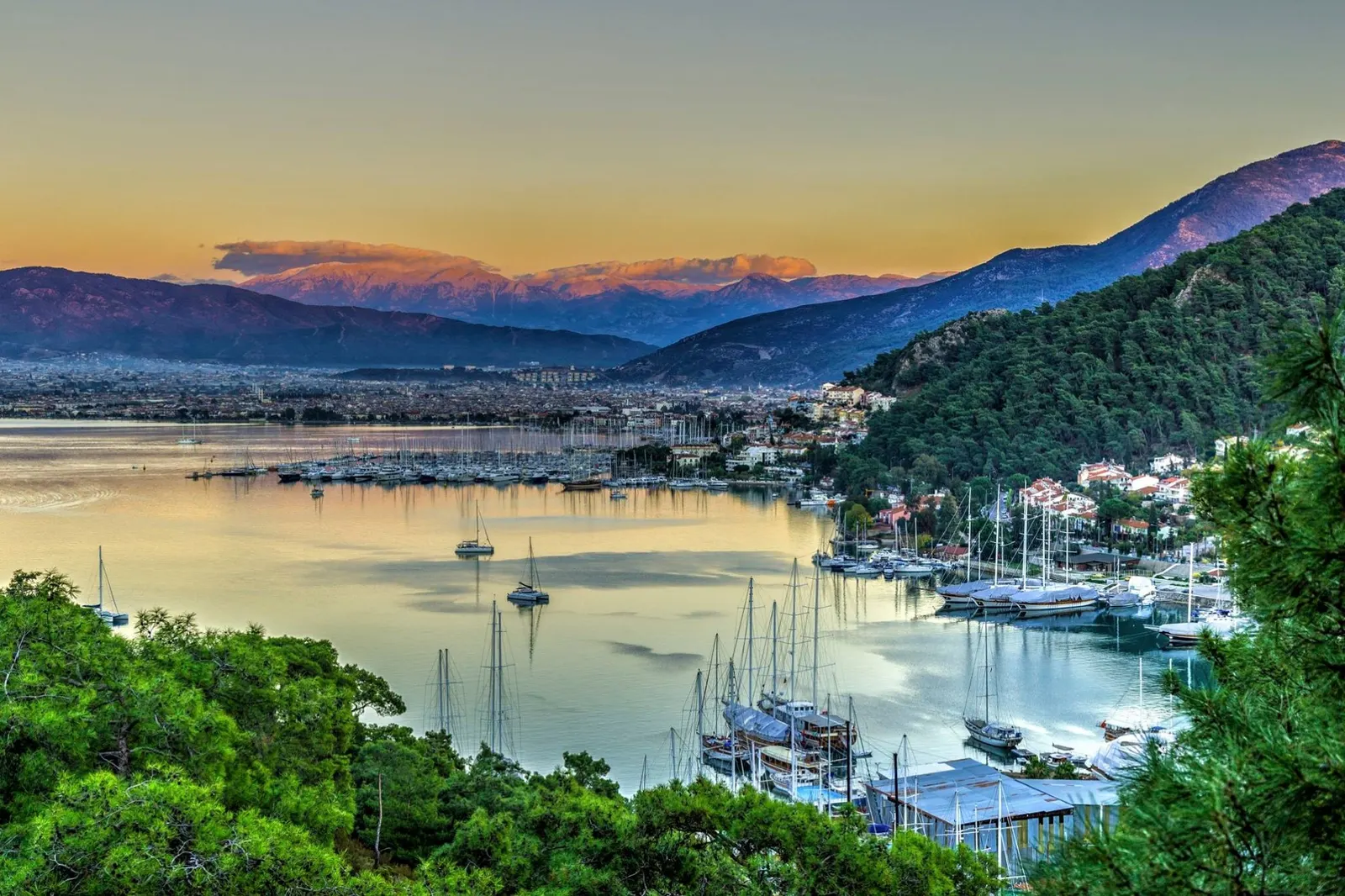
Turkey's Aegean and Turquoise coasts, particularly the routes around Fethiye and Göcek, also work well for flotilla-style sailing, offering calmer water than the open Aegean and a similar mix of short, achievable passages between beautiful bays.
Why Sailors Choose Flotillas
Beyond the safety net, three reasons come up most often with guests:
- Building real experience. A week of genuinely skippering your own boat, with expert backup nearby, builds confidence faster than a course alone.
- Social atmosphere. Sailing alongside other crews, sharing anchorages and the occasional group dinner ashore, suits sailors who enjoy company as much as the sailing itself.
- Value. A smaller flotilla yacht generally costs less to charter than a large crewed gulet, while still delivering a full week of genuine, hands-on sailing.
Is Flotilla Sailing Right for You
If you have some sailing experience and want to genuinely skipper your own boat rather than simply be a passenger, but you are not yet ready for the full responsibility of bareboat charter in unfamiliar waters, flotilla sailing is very likely the right format. It delivers the independence of having your own boat with a professional safety net close by — the confidence-building middle step between a first sailing lesson and a fully independent bareboat charter.
A Typical Flotilla Week
Most flotilla weeks open with a check-out sail and safety briefing on the first day, before the fleet sets off on its first leg on day two. A typical pattern combines a morning sail and lead-boat briefing with an afternoon arrival at anchor, plenty of swimming time, and a mix of free evenings aboard and one or two organised group dinners ashore over the course of the week. Most flotillas also build in a free day with no sailing, where guests can stay at anchor or explore a coastal town independently — useful for recharging before the second half of the week.