26 Jun 2026 · 4 min read · by Medsail Holidays Team
A First-Timer's Guide to Croatia's Dalmatian Coast by Yacht
Croatia has quietly become one of the most in-demand sailing destinations in Europe, and the coastline explains why within about ten minutes of stepping off a plane. The Dalmatian Coast stretches for roughly 400 kilometres, scattered with more than a thousand islands, and the water is famously, almost implausibly clear. For a first-time visitor, though, the sheer number of options can be more confusing than helpful. This guide covers what actually matters before you book.
Understanding the Geography
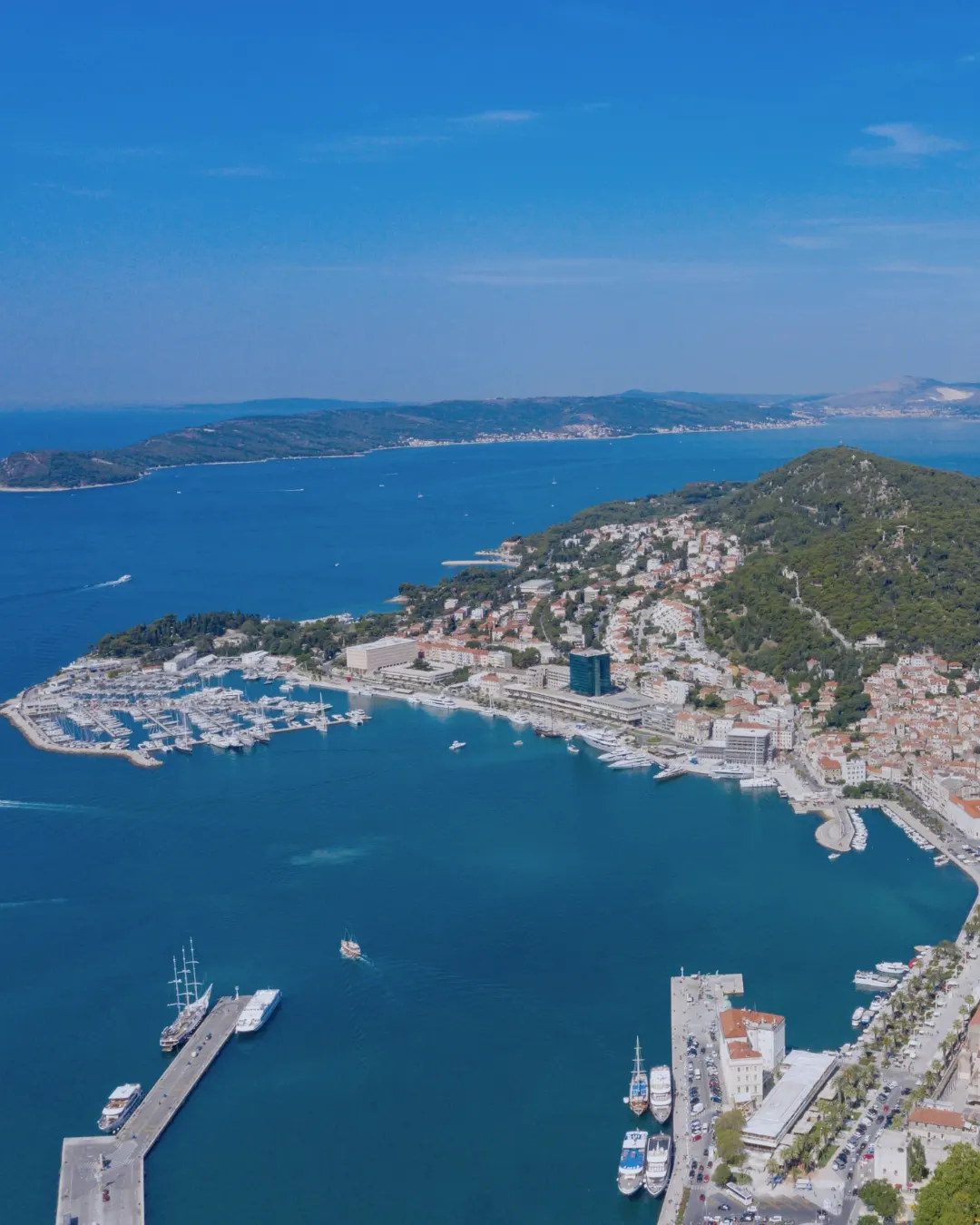
Most charters in Croatia start from one of three hubs: Split, in the middle of the coast; Dubrovnik, further south; or occasionally Zadar, further north. Each puts you within easy reach of a different set of islands, so where you start shapes your entire week more than almost any other decision.
From Split, you can reach the islands of Brač, Hvar and Vis within a day of easy sailing, with the Kornati archipelago accessible a little further north.
From Dubrovnik, the Elaphiti Islands sit just offshore, with Mljet — home to a national park built around two saltwater lakes — a comfortable day's sail further on.
The Islands Worth Building a Route Around
Hvar
Hvar Town is Croatia's most glamorous port, with a 13th-century fortress overlooking a harbour that fills with yachts in summer. It gets busy in July and August, but the island's quieter bays on the south side, like Zavala or Sveta Nedjelja, offer the same lavender-scented hills with a fraction of the crowds.
Vis
Further offshore and closed to foreign visitors until 1989 due to its former military use, Vis has kept a slower pace than its more famous neighbours. The Blue Cave on nearby Biševo island, where sunlight through an underwater opening turns the cave a luminous blue, is one of the most photographed sights on the coast.
The Kornati Islands
A national park of around 150 mostly uninhabited islets, the Kornatis are a stark, almost lunar landscape of pale limestone rising straight out of deep blue water. There is little in the way of villages or facilities here — this is a stop for scenery and swimming, not shopping.
Mljet
South of Dubrovnik, roughly a third of Mljet is protected national park, built around two connected saltwater lakes ringed by pine forest. It is one of the most peaceful anchorages on the entire coast.
What Makes Croatia Different From Greece or Turkey
Visitors who have sailed the Greek islands or a Turkish gulet route sometimes assume Croatia will feel similar. A few real differences are worth knowing before you go:
- The water clarity is exceptional. Visibility of 20-30 metres is common in the outer islands, noticeably clearer than much of the Aegean.
- Marinas play a bigger role. Croatia has an extensive, well-developed marina network, so charters here mix nights at anchor with the occasional night alongside in a harbour town — useful if guests want restaurants and nightlife rather than only quiet bays.
- Distances between islands are shorter. The Dalmatian archipelago is dense, so it is possible to island-hop more frequently without long open-water crossings.
- The wind is different. Croatia gets both the bura, a strong, cold wind from the northeast, and the milder jugo from the southeast — worth discussing with your captain if you are chartering outside the calmest summer months.
Best Time to Sail
The charter season in Croatia runs roughly May to October. June and September offer the best balance of warm water and manageable crowds. July and August are busiest, particularly around Hvar and Dubrovnik, with marina berths booking out well in advance — a good reason to favour anchoring over marina stops if you are travelling at the height of summer.
Planning Your First Route
For a first visit, resist the temptation to try to see everything. A week from Split covering Brač, Hvar and Vis, with a day at the Blue Cave, gives a genuinely representative slice of the Dalmatian Coast without rushing between anchorages. A week from Dubrovnik taking in the Elaphiti Islands and Mljet offers a quieter, greener alternative with less distance covered but arguably more time to actually enjoy each stop.
Whichever route you choose, build at least one full day into the schedule with no set destination — an afternoon spent swimming off the boat in a quiet cove, with nowhere to be, is usually what people remember most from a Croatian sailing holiday.
Getting There
Split and Dubrovnik both have well-connected international airports with direct summer routes from most major European cities, making embarkation logistics genuinely straightforward compared with some other Mediterranean charter regions. Airports sit close to the marinas — typically a twenty to thirty minute transfer — so it is realistic to fly in and board the same day, though building in a buffer night beforehand is still wise in case of flight delays. Zadar, the third option for charters starting further north, is smaller but well served by budget airlines through the summer season.